

Are you conserving water or wasting it at your HOA community?
Water bills affect everything from HOA dues to operational budgeting. And climate and drought concerns have communities across the country considering how they can be more responsible with water. The U.S. Environmental Protection Agency has a PDF roadmap specifically designed for HOAs on their website. At Capstone Realty Consultants, we find this both useful and hopeful.
Water conservation is critical. Climate change, population growth, and aging infrastructure strain freshwater supplies. In residential HOA communities, small daily choices collectively determine whether neighborhoods remain resilient during droughts. They impact rising utility costs.
As professional HOA managers with a reputation for social as well as business leadership, we’ve been looking for ways to dramatically reduce waste without sacrificing comfort. We’ve found that conserving water also lowers energy use, since pumping and heating water require electricity. Beyond savings, responsible use protects local ecosystems and ensures reliable access for future generations.
When communities act together, they strengthen local sustainability and safeguard a resource that every life and livelihood depends on.
So let’s talk about water conservation for your community and what you can do to create a sustainable and affordable environment for your homeowners and for the planet as a whole.
Quick Summary:
|
The WHY Behind Water Conservation in Piedmont Area HOAs
Across the country, communities are facing longer droughts, unpredictable rainfall patterns, aging infrastructure, and steadily rising utility costs. Freshwater is no longer something we can afford to take for granted. For HOAs, where landscaping, shared amenities, and collective utility systems often account for significant water use, proactive conservation is environmentally responsible, but it’s also financially and operationally strategic.
Why is this getting so much attention right now?
- Climate variability. Many regions are experiencing more frequent and intense drought cycles, while others face seasonal water restrictions that can quickly disrupt community routines. HOAs that depend heavily on irrigation for lawns, ornamental landscaping, and recreational spaces are especially vulnerable. When water supplies tighten, communities that have not prepared may be forced into reactive measures like letting common areas decline, paying premium rates, or scrambling to comply with emergency regulations. By prioritizing conservation early, HOAs build resilience and reduce the risk of sudden disruption.
- Financial stability. Water rates have steadily increased in many municipalities due to infrastructure upgrades, treatment costs, and supply constraints. Because HOAs typically manage irrigation for common areas, pools, clubhouses, and sometimes even shared plumbing systems, water expenses can represent a substantial portion of the annual budget. Even modest efficiency improvements, such as upgrading to smart irrigation controllers, installing drip systems, repairing leaks promptly, or transitioning to drought-tolerant landscaping, can generate meaningful long-term savings. Those savings can help stabilize dues, fund reserve accounts, or support other community improvements.
- Property values. Water conservation strengthens property values. Prospective buyers are increasingly aware of environmental issues and utility costs. A community that demonstrates responsible resource management signals forward-thinking governance and fiscal prudence. Well-designed xeriscaping or native plant installations can remain attractive while using significantly less water. In regions where water scarcity is a visible concern, sustainable landscaping and efficient systems can become a competitive advantage in the housing market.
Beyond finances and appearance, conservation reinforces a shared sense of responsibility. HOAs function best when residents understand that common resources are interconnected.
Environmental benefits are equally significant. Thoughtful irrigation practices minimize runoff that can carry fertilizers and pollutants into local waterways. Protecting local water supplies supports surrounding ecosystems and helps ensure long-term availability for the broader region.
Taking a Local Look

There are a few regional factors specific to the Piedmont area of North Carolina that are important to acknowledge when discussing water conservation in the HOAs we manage.
| Drought conditions are real and recurring
Parts of the Piedmont have recently been classified under moderate drought conditions, and drought advisories from the North Carolina Drought Management Advisory Council continue to encourage users to implement water-saving practices prematurely to preserve supplies and protect infrastructure as conditions change. This makes conservation not just a best practice but a practical necessity for ensuring reliable water availability year-round. |
Growing demand strains existing infrastructure
The Piedmont Triad Regional Water Authority is expanding its treatment capacity because population growth and economic development in the region are pushing current water supply and treatment systems close to their limits. HOAs that manage landscaping and common area irrigation contribute to this demand, and reducing unnecessary use helps alleviate pressure on the system and delay or minimize costly infrastructure upgrades. |
| Water quality challenges like PFAS affect treatment
Drinking water systems in the region, including providers in the Piedmont Triad, have been found to contain concerning levels of per- and polyfluoroalkyl substances (PFAS), often called “forever chemicals,” at times exceeding new safety thresholds. While this issue isn’t directly about how much water is used, conserving water reduces the volume that utilities must treat and monitor, which is a benefit when advanced treatment becomes more necessary (and costly). |
Local watershed health is fragile.
Streams and waterways in the Piedmont Triad are facing water quality challenges from sediment, nutrient runoff, and other non-point source pollution linked to urban development and land use practices. Responsible water conservation at the HOA level, including reduced irrigation runoff and thoughtful lawn care, can lessen the pollutant load entering these sensitive watersheds. |
For HOAs in the Piedmont cities of Winston-Salem, High Point, and Greensboro, water conservation isn’t just a generic environmental idea that we’re latching onto. It’s directly tied to local drought trends, infrastructure realities, water quality challenges, and community values. Addressing these region-specific concerns can make conservation plans more relevant, effective, and supported by residents.
Start with an Irrigation Audit of Your HOA
Auditing irrigation systems and water habits in your HOA will help your community to begin reducing water waste, lower costs, and improve long-term sustainability. A thoughtful audit doesn’t require complicated equipment at the start. All you have to do is organize, observe, and talk about how water is being used across the community.
Here’s how we help associations audit their water usage.
- Start with the numbers. Review at least 12 months of water bills for common areas, clubhouses, pools, and irrigation meters. Look for seasonal spikes, unexplained increases, or usage patterns that don’t align with weather conditions. Comparing water consumption month-over-month and year-over-year helps establish a baseline and quickly reveals anomalies that may indicate leaks or inefficient scheduling.
- Inspect the irrigation system itself. Walk every landscaped area while the system is running. Check for broken sprinkler heads, tilted spray patterns watering sidewalks instead of turf, pooling water, or misting caused by excessive pressure. These small issues often account for significant waste over time. Make sure zones are grouped logically; grass, shrubs, and native plants should not share identical watering schedules since they have different needs.
- Evaluate irrigation timing and controls. Watering during midday heat leads to evaporation loss, while watering late at night can increase disease risk for turf. Early morning schedules are typically most efficient. If your HOA uses older timers, consider whether smart controllers with weather-based adjustments would reduce unnecessary watering during rainy periods.
- Landscaping choices also deserve review. Identify areas where high-water turf may be replaced with drought-tolerant or native plants. Sloped sections prone to runoff may benefit from drip irrigation or soil improvements that enhance absorption. Healthy soil with adequate organic matter retains moisture more effectively, reducing the need for frequent watering.
- Beyond irrigation, audit shared indoor facilities. Inspect clubhouse restrooms, kitchens, and pool areas for leaking toilets, dripping faucets, and outdated fixtures. Even slow leaks can waste thousands of gallons annually. Installing aerators, high-efficiency toilets, and automatic shutoff features can produce measurable savings.
Finally, engage residents. Encourage homeowners to report leaks in common areas and share seasonal watering reminders. A simple communication campaign about conservation goals builds accountability and collective awareness.
An HOA water audit is not a one-time task but an ongoing process. By reviewing data, inspecting infrastructure, updating practices, and involving residents, communities can significantly reduce waste while protecting both their budget and local water resources.
Finding inefficiencies and areas of improvement is a great starting point.
Upgrade Facilities Throughout the Community to Prioritize Conservation
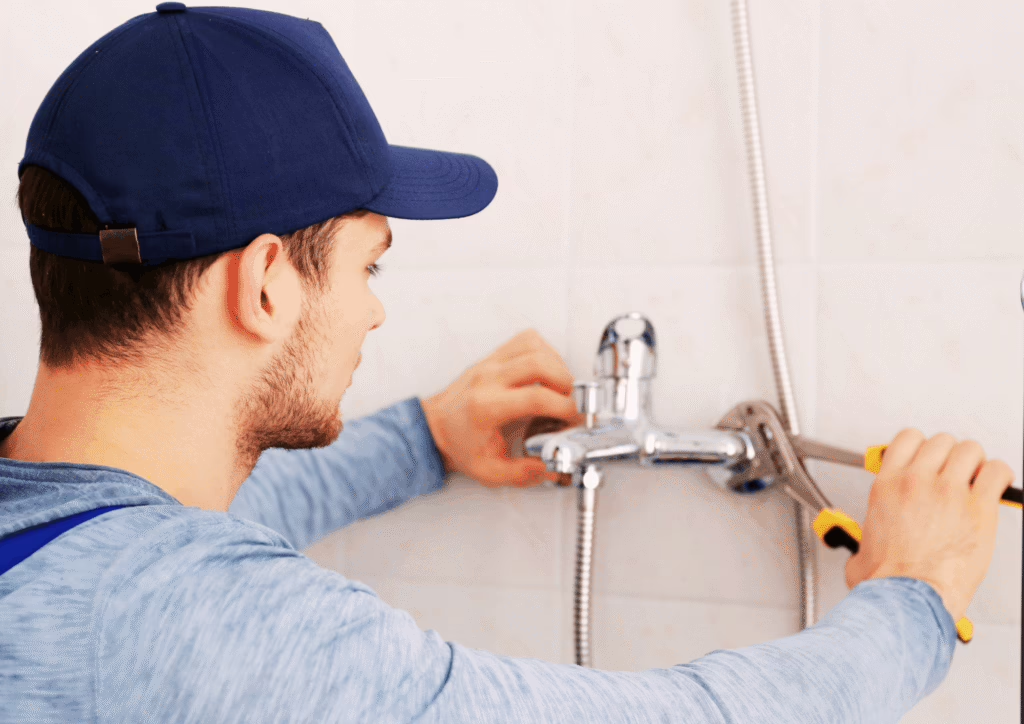
Upgrading indoor facilities is typically essential in conserving water. While outdoor irrigation often gets the most attention, indoor fixtures in clubhouses, fitness centers, locker rooms, and shared restrooms quietly account for a significant portion of community water use. Modernizing these systems reduces waste and demonstrates responsible governance and long-term financial planning.
| Shower Heads
Locker room showers are available in some communities with strong fitness amenities, and they’re a strong starting point. Older showerheads can use significantly more water per minute than necessary, especially in communities with pools, gyms, or sports courts. Replacing them with high-efficiency, low-flow models can dramatically reduce consumption without sacrificing comfort. Because showers are often used back-to-back during peak hours, even small reductions in flow rate translate into substantial annual savings. |
| Low Pressure Toilets
Toilets are another major opportunity. Outdated models can use far more water per flush than newer high-efficiency versions. In common areas with frequent use, upgrading to modern toilets can save thousands of gallons each year. In addition to reducing water bills, newer fixtures often improve reliability and reduce maintenance calls, which saves on labor and repair costs. |
| Faucets
Simple retrofits can also make a meaningful difference. Faucet aerators are inexpensive, easy to install, and highly effective at reducing water flow while maintaining adequate pressure for hand washing and cleaning. Motion-activated or sensor-based faucets add another layer of efficiency by automatically shutting off when not in use. In high-traffic restrooms, this prevents taps from being left running and minimizes unnecessary waste. |
Beyond the direct water savings, upgrading indoor fixtures reduces the energy required to heat water. Lower hot water demand means reduced utility costs and a smaller environmental footprint. Over time, these operational efficiencies compound, easing pressure on HOA budgets and helping stabilize dues.
Importantly, visible upgrades in common areas tells residents and visitors that the association is proactive about sustainability and fiscal responsibility. Modern, efficient facilities also enhance the user experience and maintain property appeal.
Investing in indoor water-efficient upgrades cuts costs. It’s about aligning infrastructure with current environmental realities, protecting shared resources, and positioning the HOA as a forward-thinking steward of both its finances and its community assets.
Water and Landscaping in Piedmont-Area HOAs
Landscaping updates will likely be necessary in any HOA that wants to conserve water. Traditional landscapes dominated by high-maintenance turf and thirsty ornamental plants often require frequent irrigation to stay green, especially during hot or dry seasons. By rethinking plant selection and design, associations can significantly reduce water demand while maintaining attractive, welcoming common areas.
- Plants Needing Less Water
One of the most effective strategies is incorporating drought-tolerant and native plants. Species adapted to the local climate typically require less supplemental watering once established. Native grasses, shrubs, and flowering perennials are naturally suited to regional rainfall patterns and soil conditions, making them more resilient during dry periods. In addition to lowering irrigation needs, native landscaping can support pollinators and local wildlife, enhancing ecological value.
- Rethink Grass
Reducing turf coverage is another important step. Large expanses of grass are often the biggest water consumers in community landscapes. HOAs can evaluate underused lawn areas and consider converting them into planting beds, decorative gravel features, or mulched garden spaces. Turf can still be preserved in high-traffic recreational areas where it serves a functional purpose, but scaling it back elsewhere delivers meaningful savings.
- Soil Health
Improving soil health also plays a crucial role in water conservation. Adding compost and organic matter increases the soil’s ability to retain moisture, allowing plants to thrive with less frequent watering. Applying mulch around trees and planting beds further reduces evaporation, moderates soil temperature, and suppresses weeds that compete for water.
- Irrigation
Irrigation design should complement these updates. Drip irrigation systems deliver water directly to plant roots, minimizing runoff and evaporation compared to traditional spray systems. Grouping plants with similar water needs into the same irrigation zones ensures efficient scheduling and avoids overwatering.
Thoughtful landscaping updates do more than cut water use. They also lower maintenance costs for your community, reduce runoff, and create a modern, sustainable aesthetic. By aligning landscape design with conservation goals, HOAs can protect shared resources while preserving curb appeal and long-term property value.
Are Your Rules and Regs Water-Friendly?
Effective water conservation in an HOA requires more than infrastructure upgrades; it depends on clear policies and informed residents.
Governing documents set the tone for what is encouraged, restricted, or required within a community. When water efficiency is formally supported in board policies and architectural guidelines, it removes uncertainty and empowers homeowners to participate.
| Review Design Standards and Rules
Associations can begin by reviewing design standards and rules that may unintentionally discourage conservation. For example, overly rigid landscaping requirements that prioritize uniform turf can limit residents’ ability to adopt low-water plantings. Updating guidelines to support drought-tolerant designs, permeable hardscaping, and efficient irrigation systems creates alignment between aesthetics and sustainability. Clear approval pathways for conservation improvements reduce friction and signal that the board values resource stewardship. |
Implement Water Policies
Beyond landscaping, HOAs can implement practical indoor water policies. Encouraging or requiring high-efficiency fixtures during renovations, establishing leak-reporting procedures, and setting expectations for responsible irrigation timing all contribute to measurable reductions. Some associations adopt seasonal watering guidelines or drought-response plans that automatically activate when local restrictions are issued, ensuring compliance without confusion. |
| Educate Homeowners
Education is the critical companion to policy. Residents are far more likely to support conservation efforts when they understand both the environmental and financial benefits. Regular newsletters, community meetings, and digital updates can share tips on reducing household water use, detecting leaks, and adjusting irrigation schedules. Transparency about community-wide water costs also helps homeowners see how individual behavior connects to association budgets. |
Connect with Local Partners
Partnerships further strengthen these efforts. Local utilities, extension offices, and environmental nonprofits often offer audits, workshops, rebates, and expert guidance at little or no cost. Hosting educational sessions or distributing resource guides gives residents access to credible, region-specific information. |
When policies are clear and education is ongoing, conservation becomes part of the community culture rather than a temporary initiative. By combining governance tools with outreach and engagement, HOAs can create a shared commitment to protecting water resources while supporting property values and long-term financial stability.
In the Piedmont Triad, where growth and population surges place real pressure on local water supplies, we believe that HOAs have both an opportunity and a responsibility to lead. By improving infrastructure, updating policies, and educating residents, communities can lower costs, protect shared resources, and build long-term resilience, which ensures a sustainable future for neighborhoods across the region.
We can help you with this. Please contact us at Capstone Realty Consultants. We’re professionally managing HOAs and rental properties in the Piedmont Triad cities of Winston-Salem, Greensboro, and High Point.