
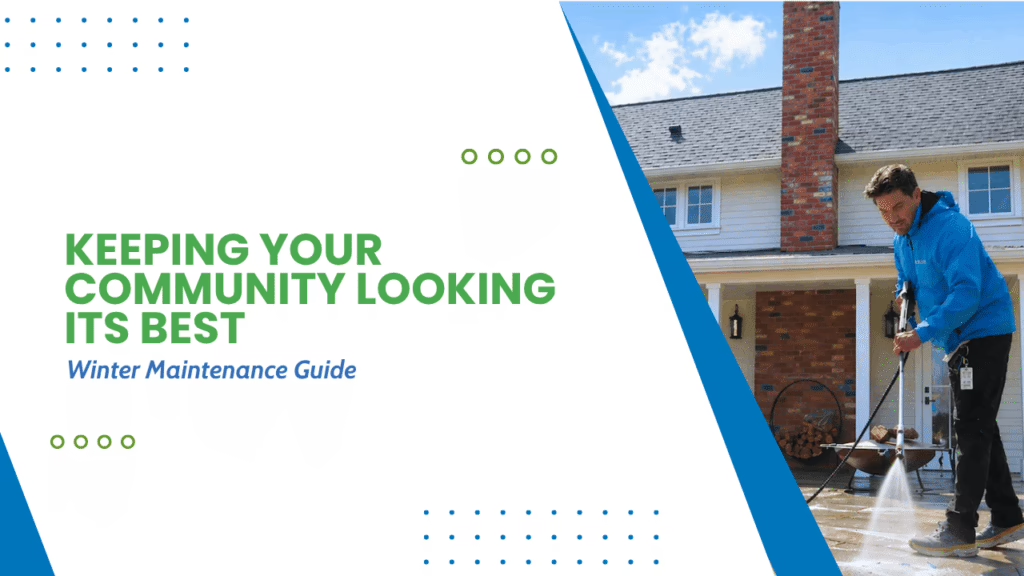
Do you find winter in North Carolina to be challenging, especially for your HOA community?
There’s sometimes snow. Ice. There’s wind. Freeze and thaw cycles. Cold rains. The operational demands on HOA boards are real, and keeping your community looking and performing its best can be a challenge. At Capstone Realty Consultants, we see a proactive, well-structured winter maintenance strategy as more than simple aesthetics. We see it as asset preservation and risk management. It helps with budget discipline and contributes to resident satisfaction.
HOA boards must prepare for temperature swings that can damage pavement, irrigation systems, and roofing materials. Ice management has become an operational priority too, especially after this last cold and stormy winter. Winter exposes deferred maintenance, tests vendor responsiveness, and heightens liability exposure in common areas.
For community associations, winter maintenance can be a governance issue as much as it is a facilities issue. Boards must ensure that landscaping contracts address dormant-season care, that drainage systems function before major rain events, and that hardscapes remain safe under icy conditions.
This Winter Maintenance Guide is designed to equip HOA board members in Winston-Salem, Greensboro, and High Point with a structured framework for protecting infrastructure, maintaining curb appeal, and managing operational risk throughout the colder months. With deliberate preparation and disciplined oversight, your community can weather the season effectively while continuing to look its best.
Quick Summary:
|
Preventative Maintenance Makes the Winter Season Easier
Preventive roof inspections, gutter cleaning, stormwater management, and pavement assessments need to be scheduled with foresight and not in reaction to resident complaints. Clear communication with homeowners regarding expectations, emergency procedures, and seasonal rules (such as holiday décor guidelines or exterior modifications) is equally critical.
Here’s what a smart plan might look like for your HOA in Winston-Salem and the Piedmont Triad areas.
- Roof Inspections
Winter weather patterns create specific stressors that make routine roof inspections essential for HOA-managed communities. While we don’t get the prolonged heavy snowfall that other areas get, we frequently see cold rain, occasional ice events, and freezing weather that can accelerate material deterioration. For associations responsible for multi-building townhome clusters, condominium complexes, or shared amenity structures, even minor roofing deficiencies can quickly escalate into systemic damage.
We see problems occur when there’s a deep freeze for a few days and then a sudden warm spell in which everything thaws quickly. When water infiltrates under shingles or flashing and temperatures drop overnight, expansion can widen gaps, loosen fasteners, and compromise underlayment integrity.
Over time, this leads to leaks that may not become visible until interior drywall staining or mold growth appears. Proactive inspections in late fall or early winter allow boards to identify lifted shingles, deteriorated sealant, cracked vent boots, or compromised flashing before moisture intrusion becomes widespread.
- Gutter and Drainage
Gutter and drainage performance should also be evaluated during roof inspections. Clogged or improperly pitched gutters can cause water to back up under roofing materials or pool along fascia boards, increasing the risk of wood rot and structural degradation. In attached homes, failure in one roof section can affect multiple homes, amplifying liability exposure and repair costs.
From a fiduciary standpoint, documented inspections of the roof and the gutters demonstrate due diligence. Insurance carriers increasingly scrutinize maintenance practices, and deferred roof maintenance can complicate claims following storm events. Regular assessments support reserve planning accuracy, extend roof life expectancy, and reduce the likelihood of emergency expenditures. For HOA boards, roof inspections are critical risk management measures that protect both property values and association finances.
- Stormwater Management
Effective stormwater management is a critical winter maintenance priority because our winters often involve steady rainfall, periodic heavy storm systems, and occasional freeze cycles. These conditions place significant strain on drainage infrastructure, including catch basins, curb inlets, swales, retention ponds, and underground piping systems. If these components are not well-maintained, winter precipitation can quickly translate into erosion, flooding, and structural damage.
What does your ground cover and vegetation look like during the winter months? It’s likely dormant. That means natural water absorption throughout your community is diminished. As a result, runoff volumes increase, particularly in communities with extensive impervious surfaces such as asphalt roads, parking lots, sidewalks, and rooftops. When drains are obstructed by clumps of leaves or sediment that’s accumulated, water can pond on pavement surfaces. Standing water not only accelerates asphalt deterioration but can freeze during overnight temperature drops, creating hazardous conditions for residents and increasing liability exposure for the association.
Detention and retention basins also require seasonal oversight. Sediment buildup reduces storage capacity, limiting the system’s ability to manage peak flows during heavy rain events. Unchecked erosion along embankments or outfall structures can undermine slopes and lead to costly repairs. HOA boards should ensure that stormwater systems are inspected before and during winter to confirm proper grading, unobstructed discharge points, and stable vegetation cover.
Routine winter inspections and preventive maintenance demonstrate responsible governance, protect shared assets, and help preserve long-term property values across the association.
Pavement and Parking in Piedmont HOAs
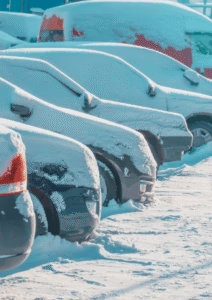 We are always reminding our HOA boards to remember the pavements and parking areas when putting together winter maintenance plans. They are integral to the performance and the condition of your community. Cold temperatures, precipitation, and ice accelerate the deterioration of asphalt and concrete surfaces.
Small cracks allow water infiltration; when that moisture freezes and expands, it widens fractures and contributes to pothole formation. Left unaddressed, minor surface defects can quickly become trip hazards, vehicle damage risks, and liability exposures for the association.
| Winter inspections should focus on crack sealing needs, drainage performance, and areas of standing water. Poor grading or blocked inlets can cause ponding that weakens sub-base materials and increases surface failure. Parking lots and private roads also require evaluation of striping visibility, signage stability, and lighting functionality, as winter’s shorter daylight hours increase safety concerns. | In communities where de-icing agents are used, boards must monitor product selection and application rates. Certain salts can degrade concrete and corrode metal fixtures if over-applied. Proactive pavement assessments during winter help preserve capital assets, reduce emergency repair costs, and maintain a safe environment for residents and guests. |
Managing Snow and Ice Removal
Although significant snowfall is rare, winter storms in the Piedmont region can develop quickly, bringing a combination of snow, sleet, and freezing rain. Even minor accumulation can disrupt community access roads, sidewalks, parking areas, and entry points, creating safety hazards and limiting emergency vehicle access.
Because winter events are unpredictable, associations need established contracts with qualified snow and ice management vendors well before the season begins. This is where our HOA management support is always most appreciated. We have lists of reliable contractors, and the professionals serving our communities offer:
- Clearly defined response times
- Equipment with the capacity appropriate for the size of the community
- Documented protocols implemented for pretreatment and de-icing. Pretreatment, such as brine application ahead of forecasted freezing precipitation, can significantly reduce ice bonding and make post-storm clearing more efficient.
Boards should confirm that vendors monitor weather conditions proactively rather than waiting for accumulation thresholds to be reported by management. Clear communication channels, 24-hour dispatch capability, and proof of adequate insurance coverage are essential risk management components. Additionally, material selection matters; de-icing products must be effective while minimizing damage to concrete, landscaping, and adjacent structures.
Effective snow and ice management protects residents from slip-and-fall injuries, preserves pavement integrity, and demonstrates responsible governance during high-risk weather events.
Landscaping and Dormant-Season Grounds Care
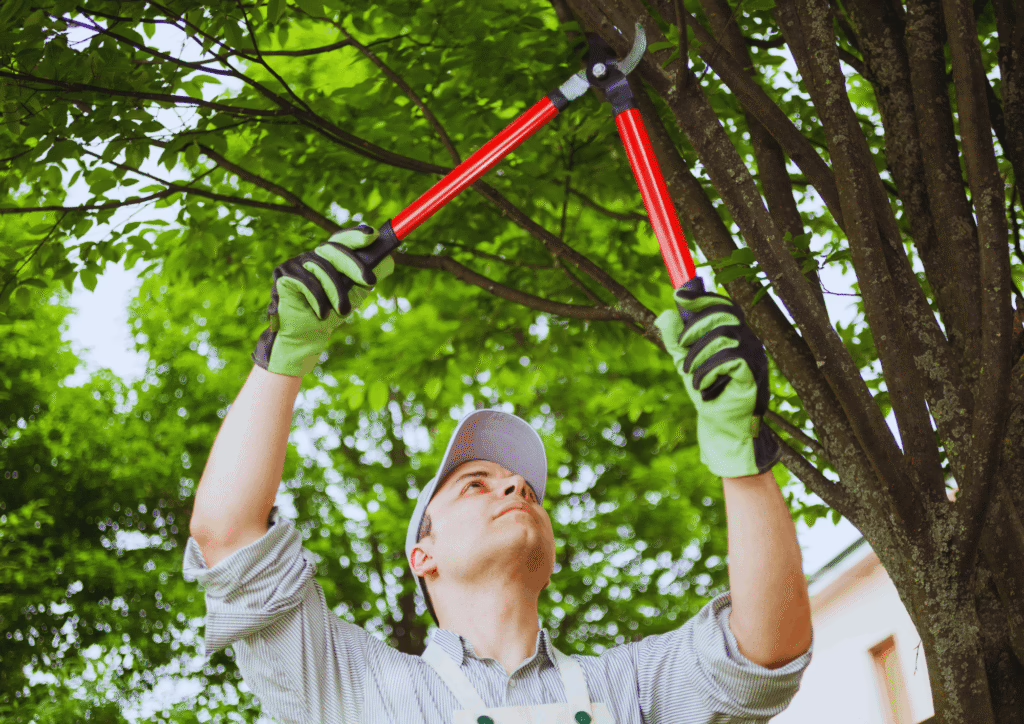
Winter landscaping is often misunderstood as a period of inactivity. In reality, dormant-season grounds care is critical to preserving curb appeal and preventing larger issues in spring. Turfgrass in North Carolina communities may turn brown during colder months, but root systems remain active. Compacted soil, poor drainage, and excessive foot traffic can cause long-term damage that becomes visible once growth resumes.
Here are four quick ways to keep up with landscaping during the winter.
| HOA boards should ensure vendors adjust mowing schedules appropriately, remove accumulated leaf debris, and maintain clean bed lines around entrances and monument signage. | Leaves can trap moisture and promote fungal development. Shrubs and ornamental trees require seasonal pruning to remove dead or weakened limbs, particularly before winter storms increase the risk of breakage. |
| Mulch should be inspected and refreshed where erosion or displacement has occurred. Proper mulch depth protects root systems from temperature fluctuations and improves moisture retention. | Irrigation systems should be winterized in areas prone to freezing to prevent cracked backflow devices or ruptured lines. A proactive landscaping plan during winter preserves plant health, reinforces visual standards, and reduces spring remediation costs. |
Exterior Building Maintenance in HOAs for the Winter
Cold weather exposes vulnerabilities in building envelopes. Expansion and contraction from temperature shifts can open gaps in siding, stucco, brick mortar joints, and sealants around windows and doors. These seemingly minor deficiencies allow moisture infiltration, which can compromise sheathing, insulation, and interior finishes.
HOA boards should incorporate exterior walkthroughs into their winter checklist. Focus areas include deteriorated caulking, cracked masonry, warped siding panels, and loose trim components. Balcony railings and stair assemblies should be inspected for corrosion or fastener failure, particularly where de-icing agents are used nearby.
Pressure washing is typically difficult during winter; however, mold or algae growth should still be monitored, especially in shaded elevations that retain moisture. Maintaining the building exterior is not solely cosmetic. It is a structural preservation strategy. Preventive repairs performed during winter can extend component life cycles and support more accurate reserve forecasting.
Pool, Amenity, and Clubhouse Winterization
Even when not in active use, community amenities require structured winter oversight. Pools must be properly winterized to prevent freeze damage to plumbing lines, pumps, and filtration systems. Water levels should be maintained according to manufacturer specifications, and covers must be secured to prevent debris accumulation or structural stress.
| Clubhouses and fitness facilities often see reduced traffic in winter but remain susceptible to HVAC strain, plumbing leaks, and condensation issues. Preventive servicing of heating systems ensures reliable performance during cold snaps and avoids emergency calls. Restrooms and kitchens should be checked regularly to identify slow leaks or pipe insulation deficiencies. | Playgrounds and recreational courts should also be evaluated. Rubberized surfaces can become brittle in low temperatures, and metal components may contract, loosening hardware. Ensuring amenities remain structurally sound protects residents and reduces the likelihood of injury claims during a season when surface conditions are already less forgiving. |
Lighting and Electrical Systems
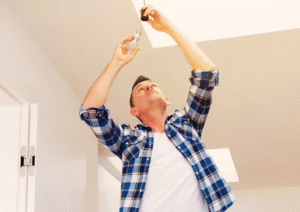 Winter’s shorter daylight hours place greater demand on exterior lighting systems. Entry monuments, parking lots, walkways, and stairwells require consistent illumination to maintain safety and deter crime. Burned-out bulbs, misaligned fixtures, or malfunctioning timers can create dark zones that increase risk exposure.
HOA boards should confirm that lighting inspections are performed regularly throughout winter. Photocells and timers must be calibrated to seasonal daylight shifts. LED retrofits, if not already implemented, can improve energy efficiency and reduce maintenance frequency.
Holiday lighting policies should also be enforced consistently. Overloaded circuits, extension cords routed across common areas, and unapproved installations can create fire hazards. Establishing clear guidelines and conducting visual inspections helps balance seasonal décor with operational safety.
Electrical panels in shared buildings should be evaluated for moisture intrusion, particularly after heavy rains. Winter storms can compromise exterior enclosures, increasing the risk of corrosion or short circuits. Routine monitoring protects infrastructure and limits service interruptions.
Tree Management and Risk Mitigation
Trees contribute significantly to community aesthetics, but winter conditions can expose structural weaknesses. Bare canopies make it easier to identify deadwood, crossing limbs, and improper growth patterns. Snow and ice accumulation, even in moderate amounts, increase load stress and can lead to limb failure.
- A certified arborist assessment during winter provides valuable risk analysis.
- Removing hazardous limbs before a storm event reduces the chance of roof damage, vehicle impact, or blocked roadways.
- Trees located near common structures, utility lines, and pedestrian paths warrant particular attention.
- Root stability should also be monitored in areas with drainage concerns. Saturated soils combined with high winds elevate the likelihood of uprooting.
Preventive pruning and strategic removals are more cost-effective than emergency storm response and associated insurance claims.
Vendor Contracts and Emergency Preparedness
Winter performance often depends on the strength of vendor partnerships. Contracts should clearly define scope of work, response timelines, and documentation requirements. Associations benefit from confirming insurance certificates, indemnification provisions, and communication protocols before peak demand periods.
Emergency preparedness planning is equally important. This is the time for your HOA board to maintain updated contact lists, define decision-making authority during weather events, and establish communication templates for residents. Clear messaging regarding parking restrictions during snow removal or cautionary advisories during ice events reduces confusion and liability.
Inventorying essential supplies such as de-icing materials, caution signage, and backup lighting helps avoid shortages when supply chains tighten. Communities that plan deliberately experience fewer operational disruptions and demonstrate governance competence during high-stress situations.
Budget Oversight and Reserve Alignment: Winter Means a Review of HOA Finances

Winter maintenance initiatives must align with the association’s financial framework. Seasonal inspections frequently uncover deferred maintenance issues that require capital allocation. Boards should evaluate whether reserve studies accurately reflect component conditions and anticipated replacement timelines.
Tracking winter-related expenses separately can provide valuable data for future budgeting cycles. Snow removal, storm response, and emergency repairs may fluctuate annually, but trend analysis improves forecasting accuracy. Transparent financial reporting to homeowners reinforces confidence and reduces resistance to necessary assessments.
HOA Finances
Financial planning also plays a central role. Winter often reveals weaknesses in reserve funding when unexpected repairs arise. There could be burst pipes, tree removal, erosion control, or structural damage uncovering your worst vulnerabilities. Sound reserve studies and disciplined capital planning help prevent special assessments and protect property values. Moreover, boards that coordinate early with landscaping, snow removal, and general maintenance vendors are better positioned to negotiate favorable terms and ensure service continuity during peak demand periods.
Above all, winter preparation is about stewardship.
- Well-maintained common areas signal strong governance and protect the long-term marketability of the community.
- Thoughtful planning reduces emergency spending, limits safety incidents, and reinforces resident confidence in board leadership.
Comprehensive winter maintenance extends well beyond snow removal. Landscaping, building envelopes, amenities, lighting systems, tree management, vendor oversight, and financial planning all play integral roles in preserving community standards.
When HOA boards approach winter as a structured operational season rather than a reactive period, they protect infrastructure, mitigate risk, and maintain the polished appearance residents expect year-round.
To talk more about the specific winter maintenance needs of your community, please contact us at Capstone Realty Consultants. We’re professionally managing HOAs and rental properties in the Piedmont Triad cities of Winston-Salem, Greensboro, and High Point.